Mantra Data Centers Concept Design, India
Concept design for a colocation data center programme in India, by Arsmagna under UBIK principal Carlos Garcia Sevilla in an earlier role.
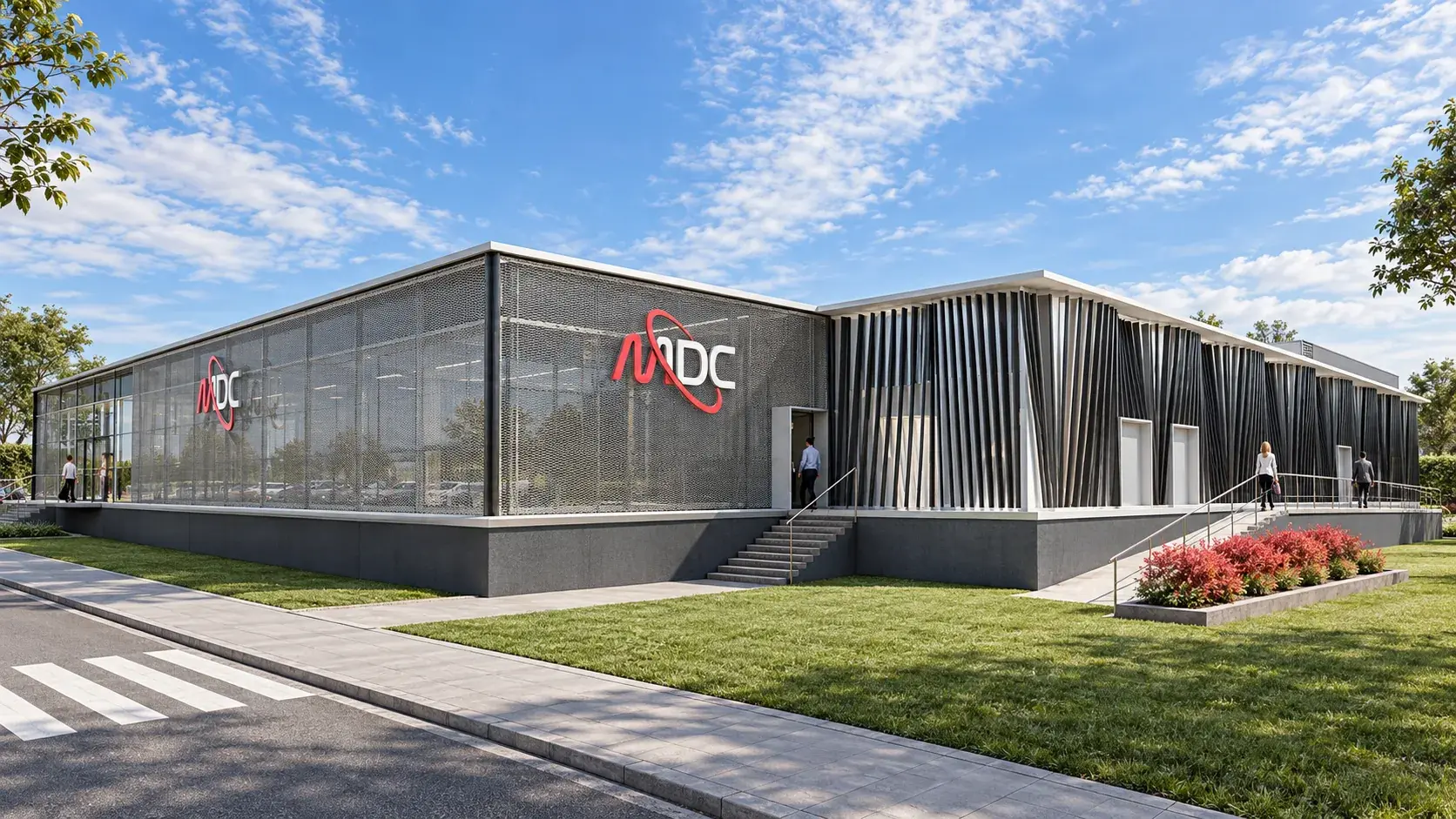
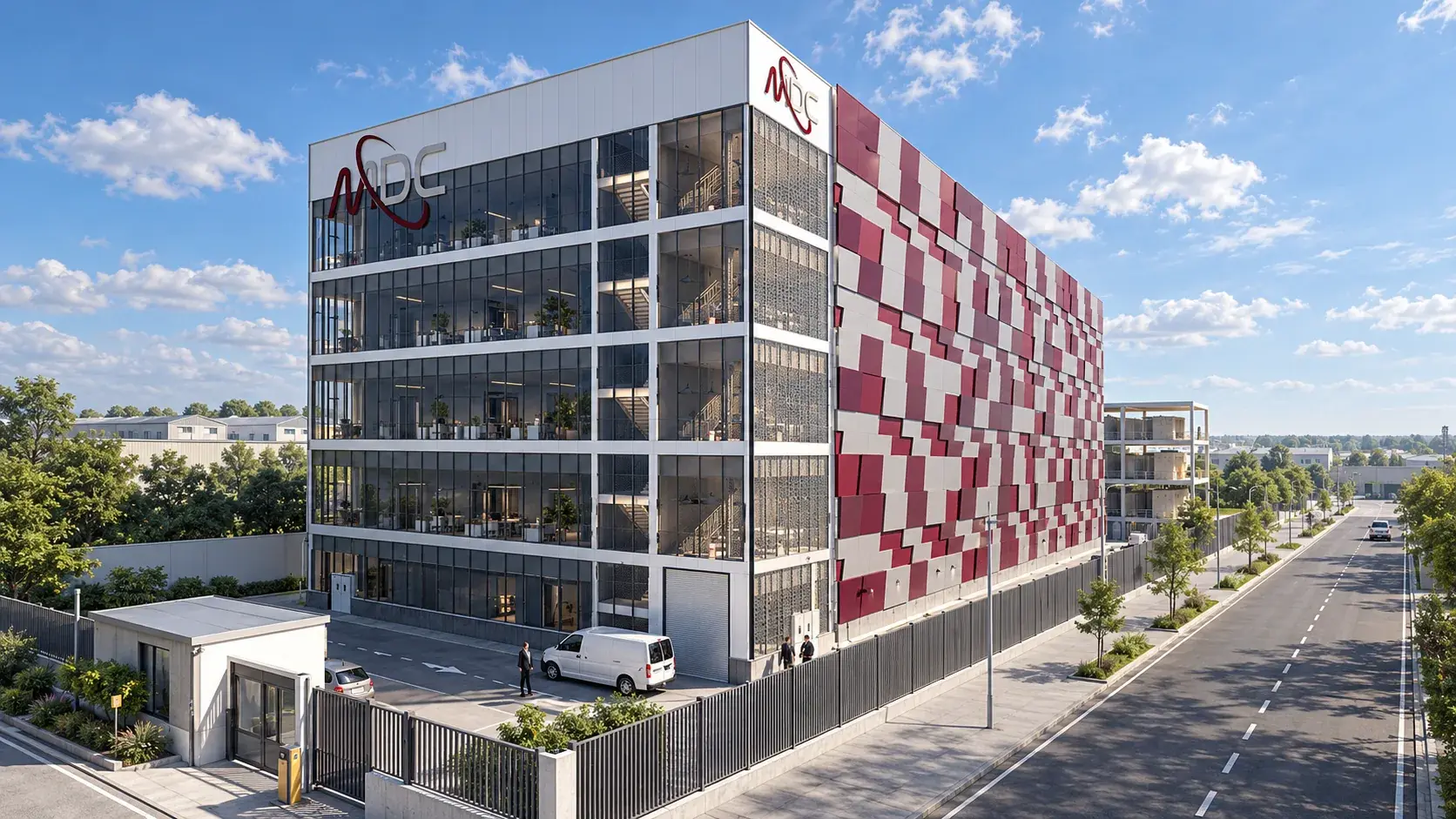
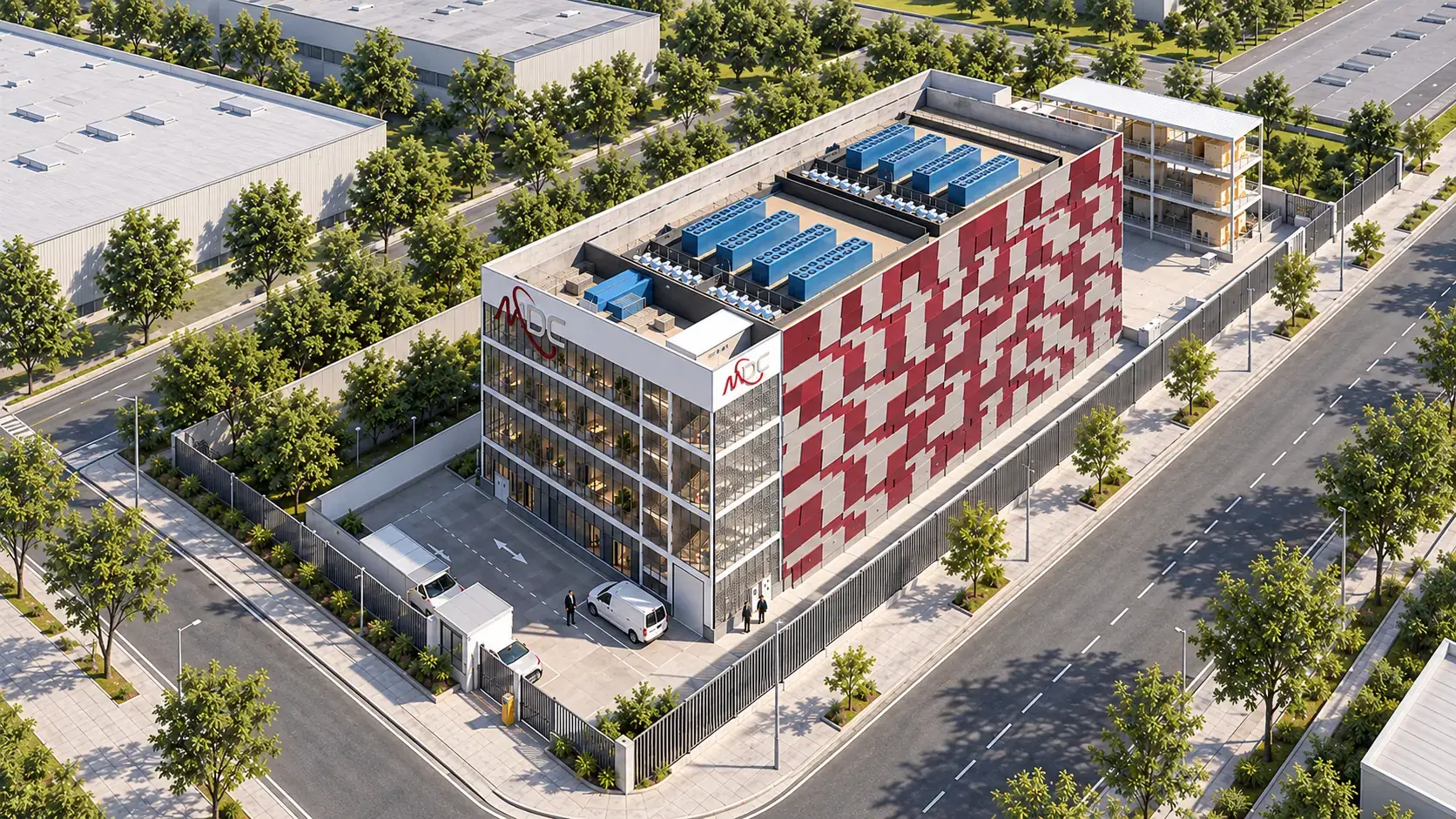
Mantra Data Centers, an Indian colocation operator, engaged Arsmagna, the practice founded by UBIK principal Carlos Garcia Sevilla, in 2019 for the concept design of a colocation data center programme. The appointment covered the concept stage. This is the leadership experience of a UBIK principal in an earlier role, not a UBIK appointment.
The concept
A colocation facility is built ahead of its tenants. Its concept has to settle two uncertainties before any detail is drawn: the density and the phasing of a load that arrives as capacity is sold, and the resilience objective the tenants’ contracts will demand. A programme planned for more than one site adds a third: a facility module that can be placed on different plots, with different utility connections and climates, and remain one design.
Scope
- Capacity by phase and the range of rack densities the halls had to accept.
- The resilience objective, stated in terms a certifier would recognise.
- Power and cooling strategies at concept level: the utility connection, standby generation and fuel autonomy, the UPS topology and heat rejection for the climate.
- Site criteria: the plot, the access and the utility capacity a site needed to carry the final phase.
What the concept had to settle
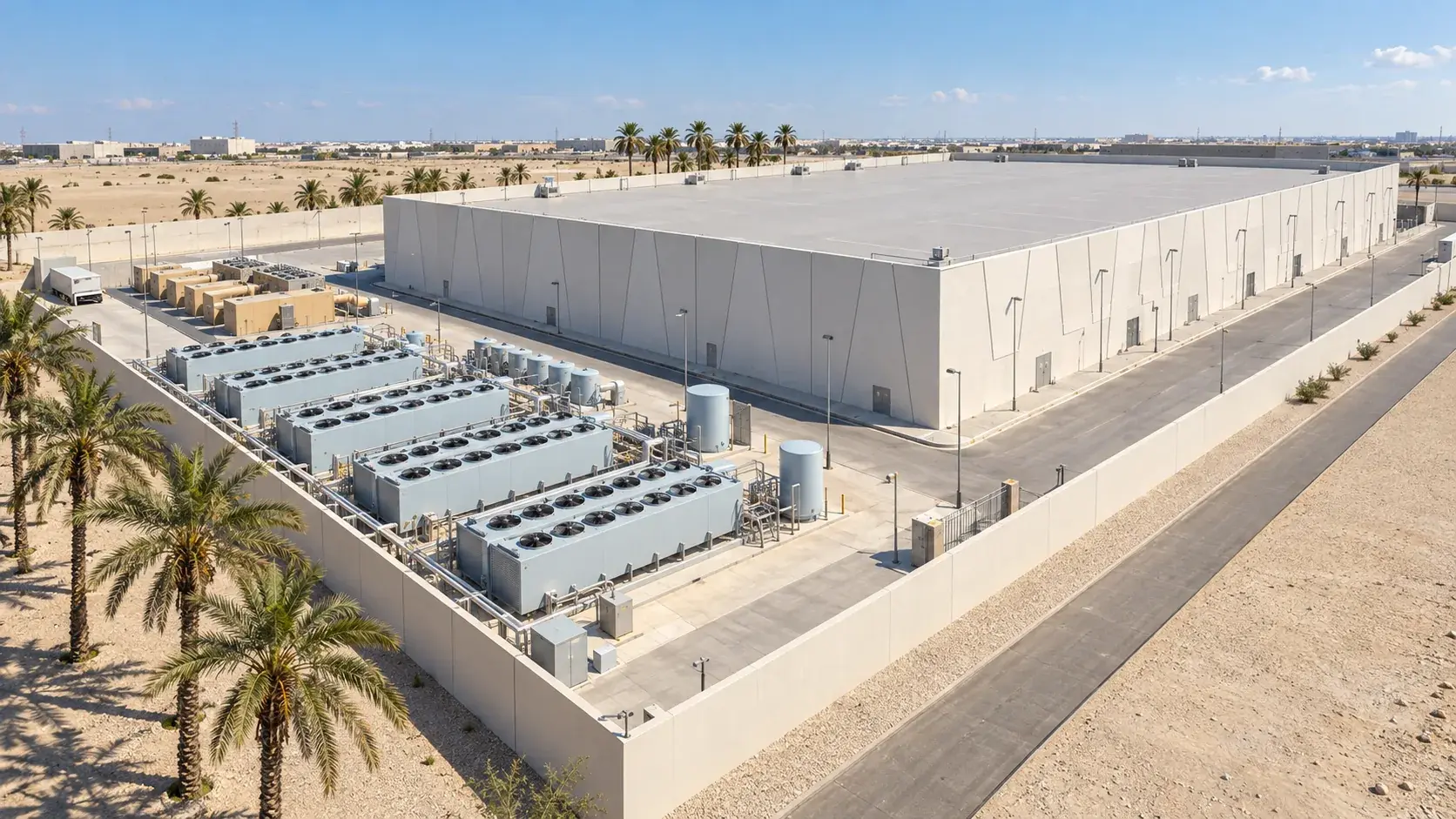
India’s grid and climate set the two hardest constraints. The reliability of the grid makes standby generation and fuel autonomy a larger part of the facility than in a European design, so the generator plant and its fuel storage are placed on the plot from the first layout. Heat and monsoon humidity put the cooling strategy under the same pressure as the Gulf, with condensation and dehumidification added to the design conditions.
For a programme, the concept also fixes what stays the same from site to site, namely the topology, the hall module, the density and the operating model, and what each site may change where its plot, utility or climate requires.
The concept documents and the operator’s commercial information are not published.
Further views
Related references
Jeddah and Madinah, Saudi Arabia
STC Jeddah and Madinah
Twin Tier III · 3.6 MW IT each
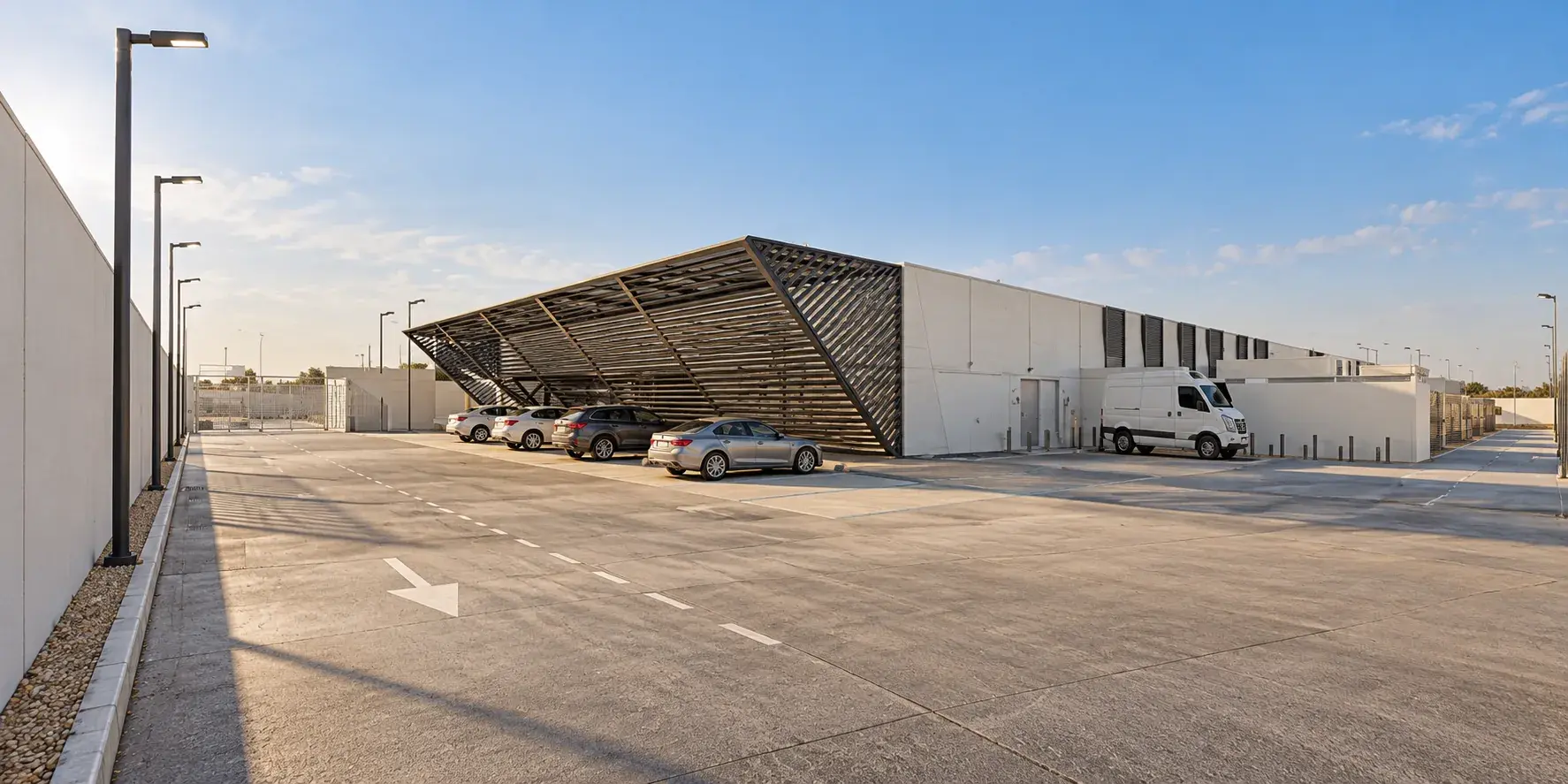
Detail design of STC’s twin Tier III data centers in Jeddah and Madinah, 3.6 MW each, both later certified by Uptime Institute.
Riyadh, Saudi Arabia
STC Riyadh
Tier III design certified · 7.2 MW IT
Detail design of STC’s Tier III design certified data center in Riyadh, 7.2 MW across phases 1 and 2.